In strength training and physical conditioning, weight plates serve as fundamental weight-bearing equipment. Their correct use and proper management directly affect the safety of the trainee and the training effect. Because weight plates involve significant mass and dynamic load, any negligence can lead to equipment damage or personal injury. Therefore, in practical application and daily management, a series of professional precautions should be followed to ensure a smooth, controllable, and sustainable training process.
First, weight matching and load control are paramount. Trainees should choose weight plates of appropriate weight based on their own abilities, avoiding the risk of improper movement or joint overload due to blindly pursuing heavy weights. When performing bilateral training, the weight of the weight plates on both sides must be completely consistent; otherwise, unbalanced torques will be generated, increasing the risk of scoliosis, knee dislocation, etc. While unilateral training can be used to strengthen core stability, the weight difference should be controlled within a reasonable range (generally not exceeding 5 kg), and the movement trajectory should be ensured to be within a controllable plane to prevent falls or sprains caused by a shift in the center of gravity.
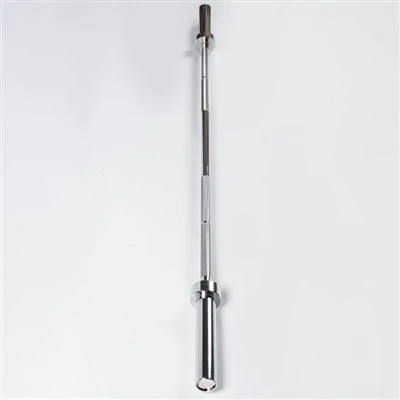
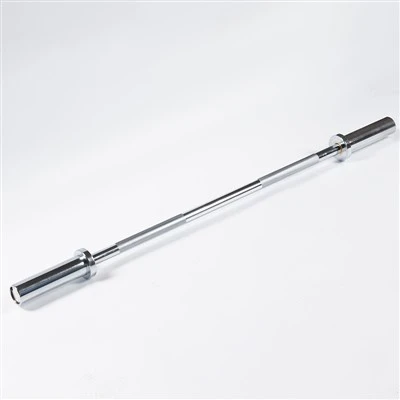
Second, installation and disassembly must strictly adhere to operating procedures. Before installing weight plates, check the diameter matching between the center hole and the barbell bar or handle to ensure there is no looseness or jamming. When installing, start stacking plates one by one from the inside closest to the body, arranging them from light to heavy to reduce rotational inertia and improve stability. When using a detachable barbell, always tighten the locking pins or clips and perform a manual shaking test to confirm there is no axial or radial displacement before applying force. Disassembly should be done in reverse order, removing plates from the side furthest from the body first to prevent the barbell from suddenly becoming unbalanced.
During use, pay attention to the rhythm of movement and environmental safety. For heavy weight training, it is recommended to have a spotter or safety bar to deal with sudden loss of control. When landing, land on the balls of your feet with your knees bent to cushion the impact and avoid injury to the lower limb joints from a straight-knee impact. In shared training areas, weight plates should not be scattered on the ground; they should be collected in a designated rack or tray to prevent them from rolling and tripping others.
Daily maintenance is also essential. Regularly inspect the surface and edges of the bells for cracks, rust, or peeling of the rubber coating. Cast iron bells with obvious damage should be removed from use and replaced immediately. Rubber-coated bells should be kept away from prolonged exposure to sunlight and moisture to prevent rubber aging and loss of cushioning and anti-slip properties. Metal bells should be stored in a dry place and can be coated with a thin layer of anti-rust oil to extend their lifespan.
Finally, trainers must cultivate a holistic safety awareness, integrating inspection, assembly, execution, and storage into a unified process, without omitting steps due to familiarity. Although bells have a simple structure, they bear significant mechanical loads. Only by treating each step with rigor can they truly become reliable tools to aid improvement, rather than sources of potential risk.